Checking a contractor's license before you sign anything
A state contractor search helps you verify a builder has the right license and insurance before you sign a bid for your next home improvement project.
 Prepared by Esmond Fairweather
- 6 min. to read
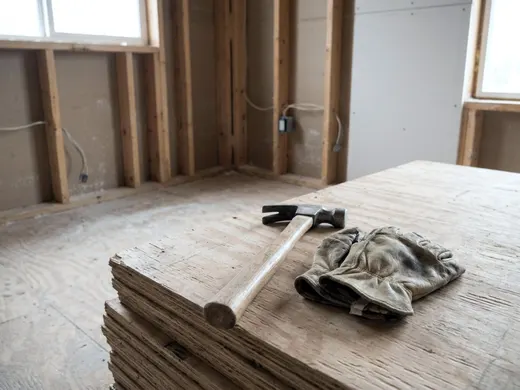
The FTC advises confirming a contractor's license with your state or county government and asking for proof of insurance. You can do this through your state licensing board website. Looking up a builder takes a few minutes and is one step toward lowering your financial risk.
Find your state licensing board
State governments handle construction licenses in different ways. Some states license many trades at the state level. Others leave some trades to cities or counties. You need to check the specific government board for your exact location.
Searches vary widely by location. A California homeowner can run a contractor search through the Contractors State License Board, an Oregon homeowner uses the Construction Contractors Board, and a Washington homeowner uses the Department of Labor and Industries. In any other state, ask your own state's licensing board.
Type your state name and "contractor license lookup" into a search engine to find the official government site. Make sure the site belongs to your state government and is not an ad or a lookalike. You want to check this database before you sign a bid or pay a deposit. Checking early gives you time to verify the details and hire a contractor you can trust.
Search by the license number
Ask the builder for their exact license number. Oregon's Construction Contractors Board search page says the most accurate way to look up a license is by CCB license number.
Searching by a business name often brings up confusing results, as many builders operate under similar company names. Some contractors use a legal corporate name that differs from the name on their work trucks. A license number brings up the exact file you need to review. Type the digits into the search bar on your state site.
Contractors should list their license number on written estimates, and the FTC says a written contract should include it. If a builder refuses to provide a number, treat that as a major warning sign. Thank them for their time and move on to another bid.
Check the license status and classification
The first detail to confirm is the exact license status. The database will clearly state if the license is active. An inactive, suspended or expired status may mean the person cannot legally do the work, so ask your state board what the status means. Do not hire a builder with a suspended license.
Next, check the classification, as states divide licenses by trade. In many states a general building contractor handles major renovations and oversees subcontractors, while a specialty contractor holds a license for a single trade. Make sure the builder holds the right classification for your project. You do not want a licensed painter trying to wire your new kitchen island.
Look at the expiration date on the license record. Licenses must be renewed on a set schedule that your state board sets. If the license expires before your project finishes, ask the builder about their renewal plans. A professional will know their renewal date and have the paperwork ready.
Verify bonding and insurance coverage
Your state lookup tool may list financial protections. Washington's Department of Labor and Industries says its contractor verification tool can confirm an active license, bonding and insurance, and license history.
A surety bond may protect you if the builder breaks the rules, though what it covers varies by state. If they fail to pay suppliers or walk away from a half-finished addition, you may be able to file a claim against their bond. This provides a financial safety net for your project. Washington's and Oregon's lookups show bonding, but check what your own state's tool covers.
Liability insurance covers damage the contractor might cause to your property. If a crew drops a heavy beam and cracks your foundation, their liability insurance may pay for the repairs, depending on the policy. Some state records only show that insurance documents are on file, so ask the builder for a certificate of insurance, as the FTC advises. Do not skip this step, because an uninsured mistake can drain your savings.
Look for a lead paint license on older homes
Homes built before 1978 may contain lead paint, which is why Oregon's board lists whether a contractor is licensed for them. Disturbing old paint can release lead dust, so ask your state agency what training and safety steps the rules require before work starts.
Oregon's Construction Contractors Board says a license lookup shows whether a contractor is actively licensed and bonded, has liability insurance on file, is licensed for homes built before 1978 and has complaints from the past 10 years.
If your house is older, check whether your state lookup lists a lead paint credential, as Oregon's does. Ask the contractor what lead training or certification the rules in your state require. Hiring an untrained crew can put your health at risk by spreading dust through your home.
Review the complaint history
Some state databases, such as Oregon's, list complaints and disciplinary actions from the past 10 years. Read through any listed disputes carefully.
One minor complaint from eight years ago might not mean much, as a homeowner might have filed a dispute over a simple misunderstanding. Multiple complaints from the past few months tell a different story. Look for patterns of abandoned jobs or major code violations. These patterns warn you of trouble ahead.
Some tools show how a dispute ended, such as whether the builder paid the required fines or corrected the bad work. It may also show if the builder ignored the state board completely. A contractor who ignores state orders may ignore your phone calls when a roof leak appears. A clean history gives you confidence as you build your renovation project budget line by line.
What to do if your state skips licensing
Sometimes a state search will show no results because that specific trade does not require a state-level license. This can happen with some trades, depending on the state. State rules vary widely on which jobs require official state oversight.
If the state board says no license is required, check your local building department. Some counties and cities require local licenses for certain trades. Call your local permit office and ask about their rules.
If a trade requires no formal license in your area, verify their business manually. You must collect the documents yourself.
- Ask the builder for a certificate of liability insurance from their agent.
- Call the insurance agent to confirm the policy is active today.
- Check your local county court records for past civil lawsuits.
- Ask the local permit office if the builder follows building codes on other jobs.
Always ask for proof of liability insurance, even if the city does not require a formal trade license. An uninsured contractor can put your property at risk if an accident happens.
Put the agreement in writing
Once you verify the license, bonding and insurance, you need a solid contract. Never rely on a handshake or a casual email for a home renovation. A written agreement protects your deposit and sets clear rules for the work ahead.
Some state boards set written contract rules. California's Contractors State License Board says a written contract is required for all home improvement projects over $500. Oregon's Construction Contractors Board says construction agreements above $2,000 must be in writing.
State | Written contract required above |
|---|---|
California | $500 |
Oregon | $2,000 |
Check your own state rules, as thresholds differ. Even if your state allows verbal agreements for small jobs, demand a written document. The contract should list the contractor's license number clearly at the top. It should include a detailed scope of work, a payment schedule and start and completion dates.
A good contract also details how you will handle change orders. If you decide to add a window after framing begins, a written change order prevents billing surprises. Having everything on paper keeps the project professional and holds the builder to the standards you need to keep a home renovation on a budget.
More for this project
How to hire an interior designer without overspending
Find affordable interior design services for your next renovation by scoping the job properly and understanding how professionals charge for their work.
How to hire a contractor you can trust with your house
Learn how to hire contractors with a proven track record, from checking state licenses to writing a contract that protects your renovation.
Planning an ADU from the zoning check to the floor plan
Planning a property addition starts with practical accessory dwelling unit ideas and a zoning check before you move on to a 2-bedroom adu floor plan.