How much contingency to keep in a renovation budget
Learn how to set a contingency budget for your home renovation to cover hidden damage and unexpected repairs without stalling your project.
 Prepared by Esmond Fairweather
- 8 min. to read
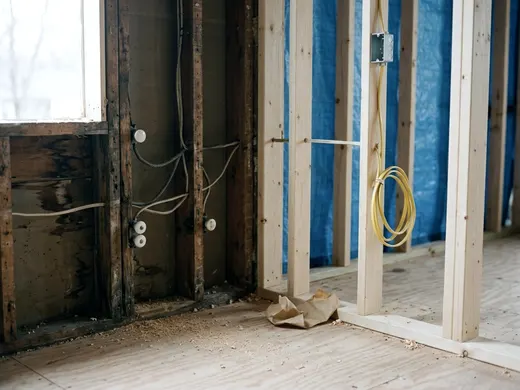
A contingency budget of 10 to 15 percent of your renovation cost is the range Fannie Mae's HomeStyle rules use for loan reserves, and a useful starting point for your own. You hold this money in reserve to pay for hidden damage. It covers code upgrades and structural surprises that contractors find once they open the walls.
What a contingency covers and what it does not
A contingency budget is a reserve for the house itself. You will need it when the demolition crew pulls up linoleum and finds water damage in the subfloor. It pays for replacing rotten floor joists and updating old electrical panels to pass inspection. It also covers fixing bad plumbing that previous owners hid behind drywall.
It does not pay for a nicer stove or more expensive floor tile. A contingency exists to keep the project moving when things go wrong. If you use it to upgrade your countertops, you will lack the cash to fix the leaking roof vent the plumber just found.
Keep this money accessible in your bank account. Your contractor will write a change order when they find a problem. You will need to approve it and pay for the extra materials and labor right away to avoid delaying the whole project.
Why older houses and opened walls need more
Age introduces financial risk to any house. An older home has seen decades of quick fixes, slow leaks and outdated building practices. The original builder might have spaced the floor joists too far apart. A previous owner might have cut through a load-bearing stud to run a dryer vent.
You cannot see these problems during a walkthrough. The contractor bids on what is visible in the room. Once the drywall comes down, the true condition of the house appears.
Moving plumbing and knocking down walls will always uncover surprises. Cosmetic work carries far less risk, as painting walls usually means patching just a few drywall cracks. If you plan to turn a garage into living space, you might find a cracked slab or uninsulated framing. Every layer you remove increases the chance of finding a costly problem.
Common surprises that drain a renovation budget
Certain structural problems appear constantly in home renovations.
Water damage is a frequent issue. Small leaks behind shower walls can rot wood for years before anyone notices. When the contractor removes the tile, they find a crumbling mess. Fixing it requires new framing and specialized waterproofing.
Foundation issues also catch homeowners off guard. A small crack in the basement wall might seem minor. When you frame out the basement, the inspector might demand a structural engineer review the crack. The repair can consume a large portion of your reserve.
Hazardous materials remain a threat in older properties. Older homes can contain asbestos and lead paint. Testing and removal usually call for licensed specialists, so ask your building department or a licensed pro before disturbing suspect materials. Safe removal and disposal usually cost more than standard demolition.
How renovation lenders set a contingency reserve
Banks have strict rules for renovation loans because they want to protect their investment.
Under Fannie Mae's HomeStyle Renovation rules dated December 10, 2025, a contingency reserve is not required for a one unit property. The lender may set one up anyway depending on the project.
For larger properties, the rules tighten. For two to four unit properties, Fannie Mae requires a contingency reserve equal to 10 percent of the total cost of the repairs and renovation work. The bank holds this money in an escrow account.
Fannie Mae lets the lender raise the contingency reserve to 15 percent when the scope of the renovation justifies it.
The bank also restricts how you spend this money. Fannie Mae allows contingency funds to be released only for required, necessary and unforeseen repairs found during the renovation. You cannot tap the reserve to upgrade the siding just because it looks nice.
Property type and scope | Fannie Mae contingency reserve rule |
|---|---|
One unit property | Not required, though the lender may set one up |
Two to four unit properties | Required equal to 10 percent of the total cost of the repairs and renovation work |
High scope renovations | Lender may raise the reserve to 15 percent |
Sizing your own contingency by project risk
You can apply the lender rules to your own savings. If you are paying cash, you still need to build a renovation project budget that accounts for the unknown.
Consider starting at 10 percent for a typical remodel, the reserve Fannie Mae uses for two to four unit loans. Calculate that percentage from your total labor and materials cost to set aside for the unexpected. Keep it in a separate bank account.
Consider 15 percent, the level Fannie Mae lets a lender raise reserves to, for heavy structural work, new roofing, or much older homes. Outdated plumbing and unsafe wiring will eat through a 10 percent buffer fast. You may need that extra cushion to pass your rough-in inspections.
You can drop your reserve size if you are doing simple, surface-level work in a newer house. Changing cabinet hardware, swapping out light fixtures and installing carpet rarely lead to structural surprises. If you are not opening the walls or pulling up the subfloor, you carry much less risk.
Keeping the contingency apart from upgrades
Homeowners often confuse a contingency budget with an allowance for upgrades. You must separate the two. A contingency pays for bad news. An upgrade allowance pays for good news.
Contractors use allowances in their bids for materials you have not picked out yet. They might give you an allowance for kitchen appliances. If you buy a premium refrigerator that costs more, you owe the contractor the difference.
That extra money must come from your general savings. It cannot come from your contingency reserve. Spending your reserve on premium appliances risks stalling the job later. A municipal inspector might demand a new electrical panel before signing off on the building permit, and you will need the contingency cash for it.
Be clear with yourself about what constitutes a necessity. Fixing termite damage is necessary, while upgrading to custom cabinets is a choice. You can usually manage costs better if you settle your design choices early. Reviewing decisions to settle early will keep you from changing your mind halfway through.
How to handle change orders during construction
Every time the contractor finds hidden damage, they will stop work and draft a change order. This document outlines the problem, the proposed solution, and the exact cost in materials and labor.
Read the change order carefully. Ask the contractor to show you the physical problem. A good builder will gladly point out the rotten sill plate or the illegal plumbing splice.
Sign the change order only when you understand the scope of the repair. Once signed, you release the funds from your contingency. Track these deductions on a spreadsheet so you always know how much reserve you have left.
Do not let the contractor perform extra work without a signed change order. Verbal agreements lead to confusion and surprise bills at the end of the project. A written paper trail protects both of you.
Managing expectations with your contractor
You do not need to tell your contractor the exact size of your contingency budget. If a builder knows you have extra cash sitting in the bank, they might be less motivated to find cost-effective solutions to problems.
Treat the contractor's accepted bid as the absolute maximum you intend to spend. When a problem arises, discuss the repair costs purely on their own merits.
An honest contractor will warn you about potential risks during the bidding process. They might point at a sloping floor and tell you the joists could need reinforcing. They will encourage you to hold money back for these exact scenarios.
If a bid seems suspiciously low, the contractor might be ignoring obvious risks. A low bid often results in a flood of expensive change orders later. Hire a professional who is realistic about the unknowns.
Passing inspections and mandatory code upgrades
Your local building department does not care about your budget. They care about safety. When you open a wall to move a pipe, the inspector may look at everything exposed in that cavity.
If they see outdated electrical wiring right next to your new pipe, they may require you to replace it. Whether other exposed work must be brought up to code depends on your jurisdiction's code edition and local amendments, so ask your building department.
Your contractor cannot ignore the inspector. The project will fail the inspection and work will stop. This is a primary reason the contingency budget exists.
Code upgrades can be expensive. Replacing a small run of wire is a minor cost, but upgrading your home's main electrical service panel for a new heavy appliance demands much more. Your contingency fund ensures you can pay for these mandatory safety upgrades without halting the renovation. Check your state or local building department for the code edition and local amendments that apply to you.
What to do with money left over
Sometimes a renovation goes smoothly. The walls open up and the framing is solid. The plumbing passes the rough-in inspection on the first try. You reach the final walkthrough with money left in the reserve.
If you financed the project with a renovation loan, the bank usually handles the leftover money for you. Under Fannie Mae's rules, unused contingency funds that did not come directly from you go toward the loan principal. Ask your lender whether leftover money can instead pay for added improvements. It simply reduces your total debt and saves you interest over time.
If you paid cash, the leftover money is yours to keep. You can put it back into your savings account. You might also use it to finally buy that furniture upgrade you held off on during construction.
Wait until the final inspection passes and the city closes the permit before spending a dime of it. A building inspector can require a last-minute adjustment that costs real money. Your contingency budget must stay intact until the contractor hands over the keys and walks away.
More for this project
10 ways to keep a home renovation on a budget
Keep your home renovation on a budget by tightening your project scope, choosing standard sizes, and avoiding the hidden traps that cause expensive overruns.
How to build a renovation project budget line by line
Build a renovation project budget line by line by separating your hard costs from soft costs and turning contractor bids into a clear plan.
Planning an ADU from the zoning check to the floor plan
Planning a property addition starts with practical accessory dwelling unit ideas and a zoning check before you move on to a 2-bedroom adu floor plan.